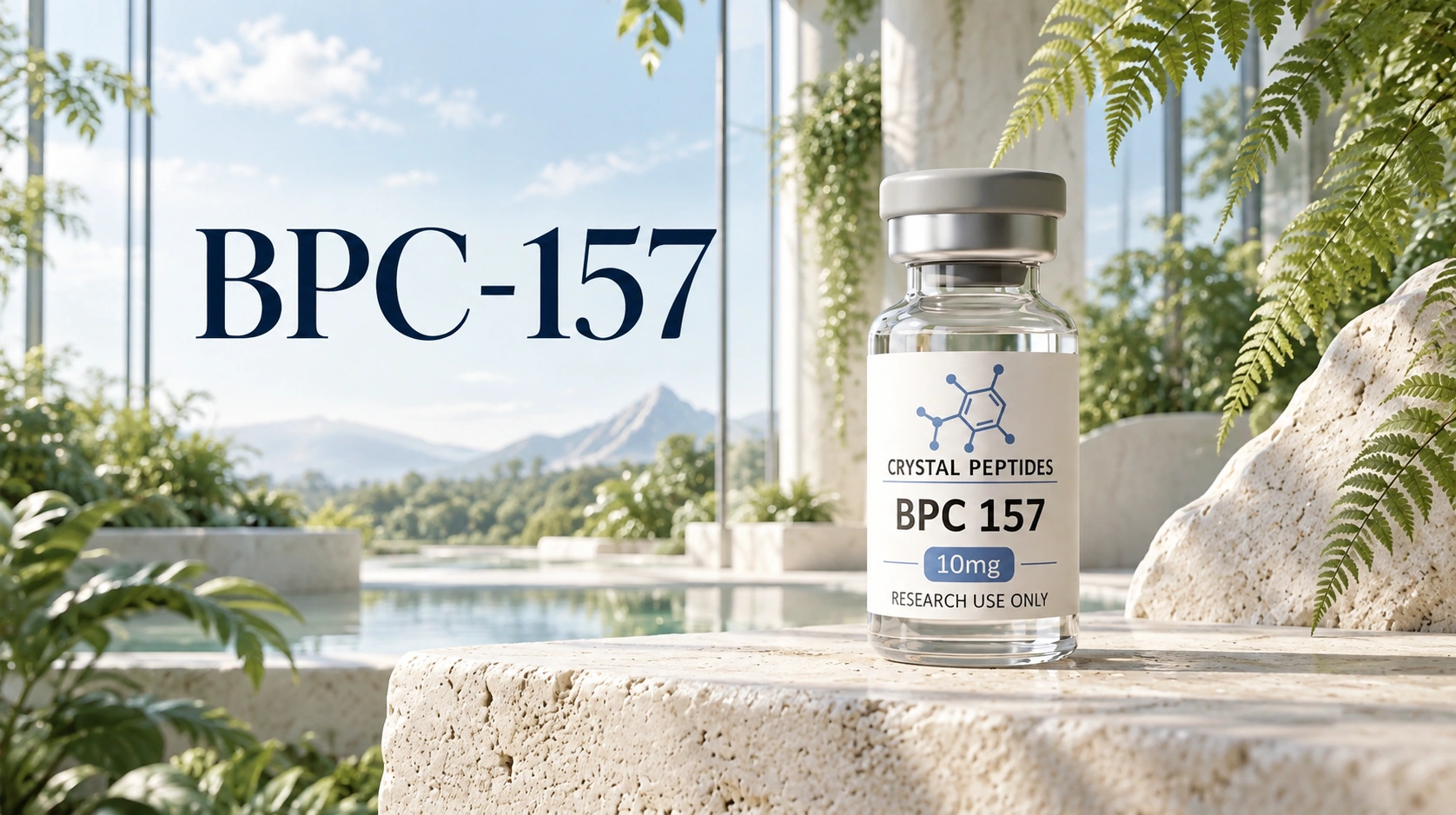
BPC-157: The Body Protection Compound
What is BPC-157?
BPC-157, or Body Protection Compound-157, is a synthetic pentadecapeptide composed of 15 amino acids. It is derived from a protective protein found naturally in human gastric juice and has been extensively studied for its remarkable regenerative properties.
Mechanism of Action
BPC-157 operates through multiple pathways:
- Angiogenesis promotion: Stimulates the formation of new blood vessels, enhancing nutrient delivery to damaged tissues.
- Growth factor modulation: Upregulates growth factor expression including VEGF, EGF, and FGF.
- Nitric oxide system: Interacts with the NO system to promote vasodilation and tissue repair.
- FAK-paxillin pathway: Activates focal adhesion kinase signaling, crucial for cell migration and wound healing.
Research Applications
Musculoskeletal Repair
Studies have demonstrated BPC-157's potential in:
- Tendon and ligament healing acceleration
- Muscle tear recovery
- Bone fracture repair enhancement
- Joint inflammation reduction
Gastrointestinal Protection
As a compound derived from gastric juice, BPC-157 shows particular promise in:
- Inflammatory bowel disease models
- Gastric ulcer healing
- Intestinal barrier integrity
- Gut-brain axis modulation
Neuroprotective Effects
Emerging research suggests effects on:
- Dopaminergic system regulation
- Serotonergic pathway modulation
- Peripheral nerve regeneration
- Brain injury recovery models
Synergy with TB-500
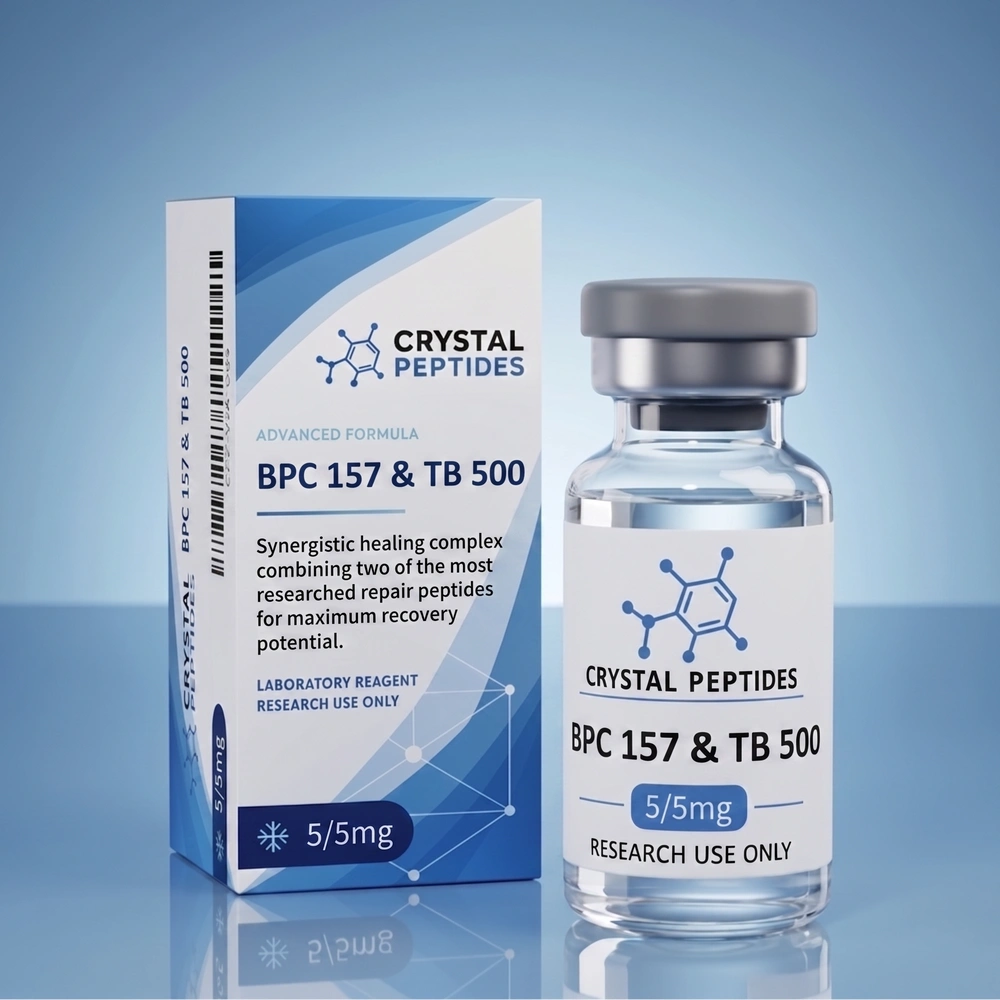
One of the most exciting research areas is the combination of BPC-157 with TB-500 (Thymosin Beta-4):
- Complementary mechanisms: BPC-157 is studied for angiogenesis, while TB-500 is studied for cell migration to injury sites.
- Evidence status: Findings from experimental models should be distinguished from evidence of clinical benefit. A combined protocol has not been shown to be clinically superior.
- Different focus: BPC-157 work centres on gastrointestinal and tendon models, while TB-500 work centres on cardiac and muscle tissue.
Delivery Methods
- Subcutaneous injection: Most common research method, allowing localized or systemic delivery.
- Nasal spray: Growing research interest in intranasal delivery for improved convenience and potential CNS effects.
- Oral administration: Unique among peptides, BPC-157 shows stability in gastric conditions.
Conclusion
Findings from experimental models should be distinguished from evidence of clinical benefit. Available information does not establish the safety of BPC-157 research products for human use, and FDA has identified safety concerns and gaps in the available data. The mechanistic findings above remain useful for designing further research. FDA assessment.
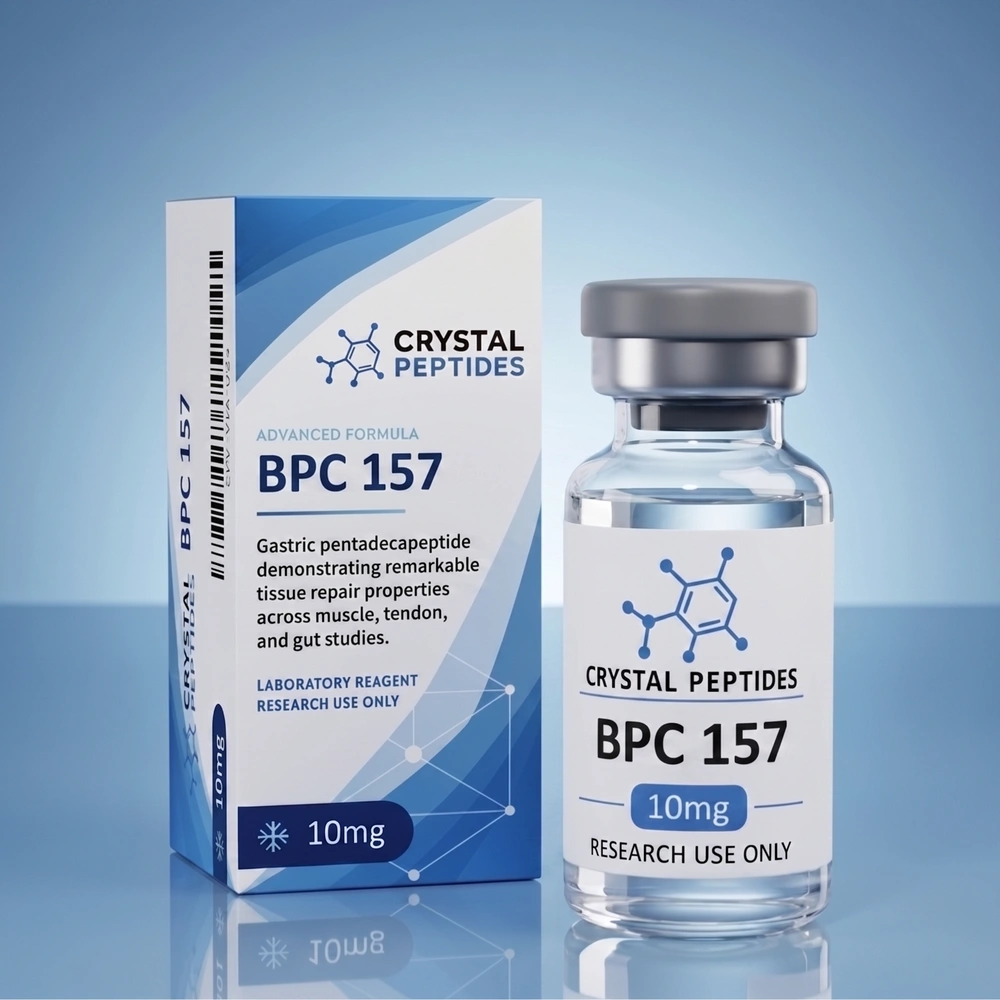
Explore the Products from This Article
All products are >99% purity, manufactured in a certified EU laboratory, with accompanying lab analysis.
Research Disclaimer
This article is for informational and research purposes only. The content is not intended as medical advice, diagnosis, or treatment recommendation.