TB-500: Thymosin Beta-4 in Tissue Repair
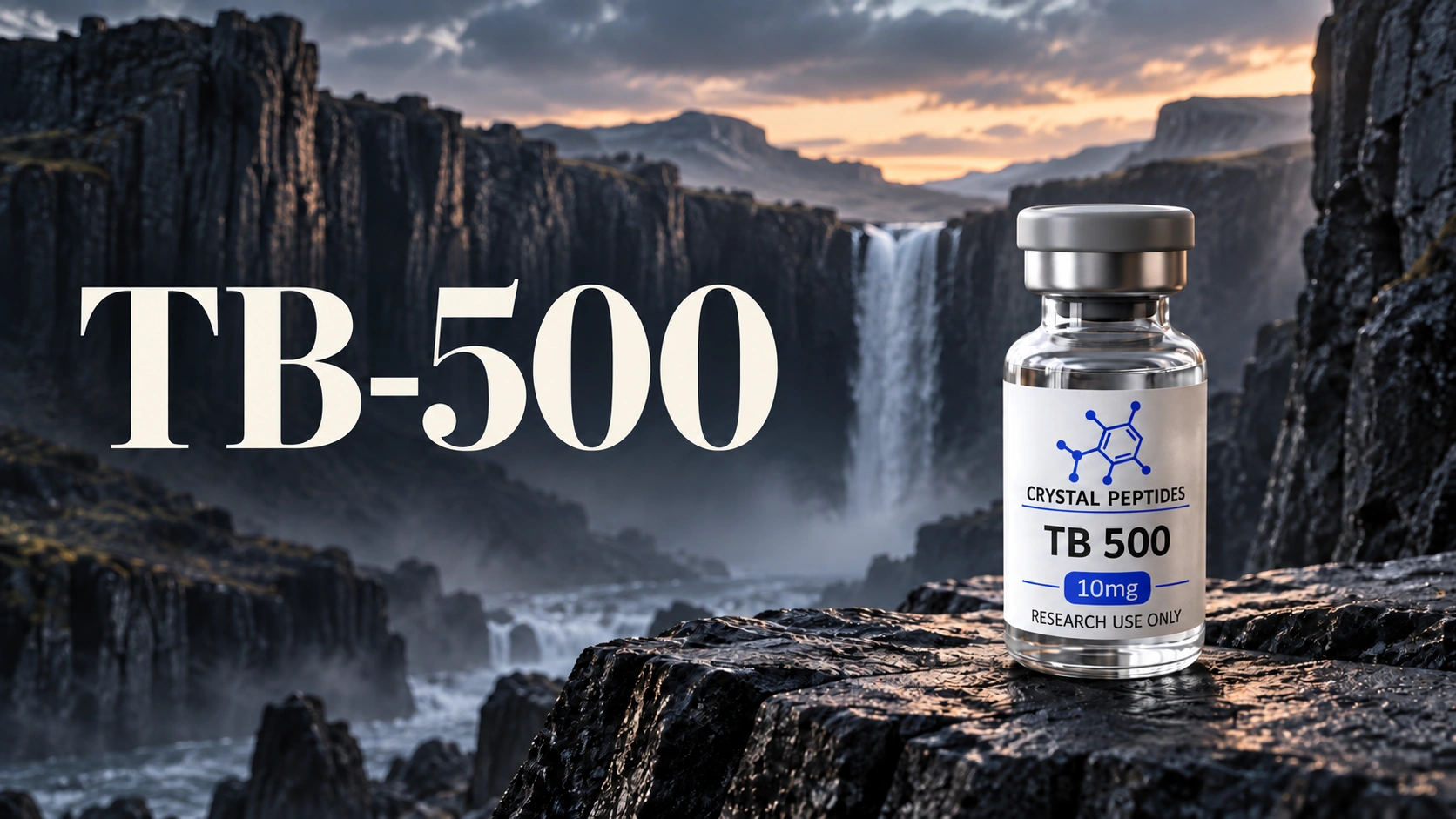
What is TB-500?
Studies of full-length thymosin beta-4 and studies of its fragments must be distinguished. FDA identifies the LKKTETQ fragment as TB-500. Findings for one material should not be attributed to another without confirming the sequence and experimental preparation used.
Mechanism of Action
- Actin sequestration: TB-500's primary function is regulating actin, a cell-building protein essential for cellular movement and structure.
- Cell migration: Promotes the migration of endothelial cells and keratinocytes to wound sites.
- Anti-inflammatory: Reduces inflammatory cytokines and modulates the immune response at injury sites.
- Stem cell differentiation: Promotes cardiac progenitor cell differentiation and maturation.
Key Research Areas
Cardiac Repair
TB-500 has shown remarkable potential in cardiac research:
- Promotes cardiomyocyte survival after ischemic injury
- Stimulates new blood vessel formation in damaged heart tissue
- Reduces scar tissue formation post-myocardial infarction
- Activates cardiac progenitor cells
Musculoskeletal Recovery
- Accelerates muscle fiber repair
- Enhances tendon and ligament healing
- Reduces muscle spasm and improves flexibility
- Promotes functional recovery
Dermal Wound Healing
- Accelerates wound closure rates
- Reduces scarring and improves cosmetic outcomes
- Enhances hair regrowth in research models
TB-500 + BPC-157 Synergy
The combination is frequently discussed in research, and the two peptides are studied for different processes:
- TB-500 excels at systemic tissue repair and cardiac protection
- BPC-157 targets gut health, tendon repair, and neuroprotection
- A direct study establishing a clinical advantage for the combination has not been identified
Conclusion
The available evidence does not establish a broad human safety profile for the TB-500 fragment. Clinical claims require evidence for the exact material, rather than inference from whole-protein or animal studies. FDA assessment.
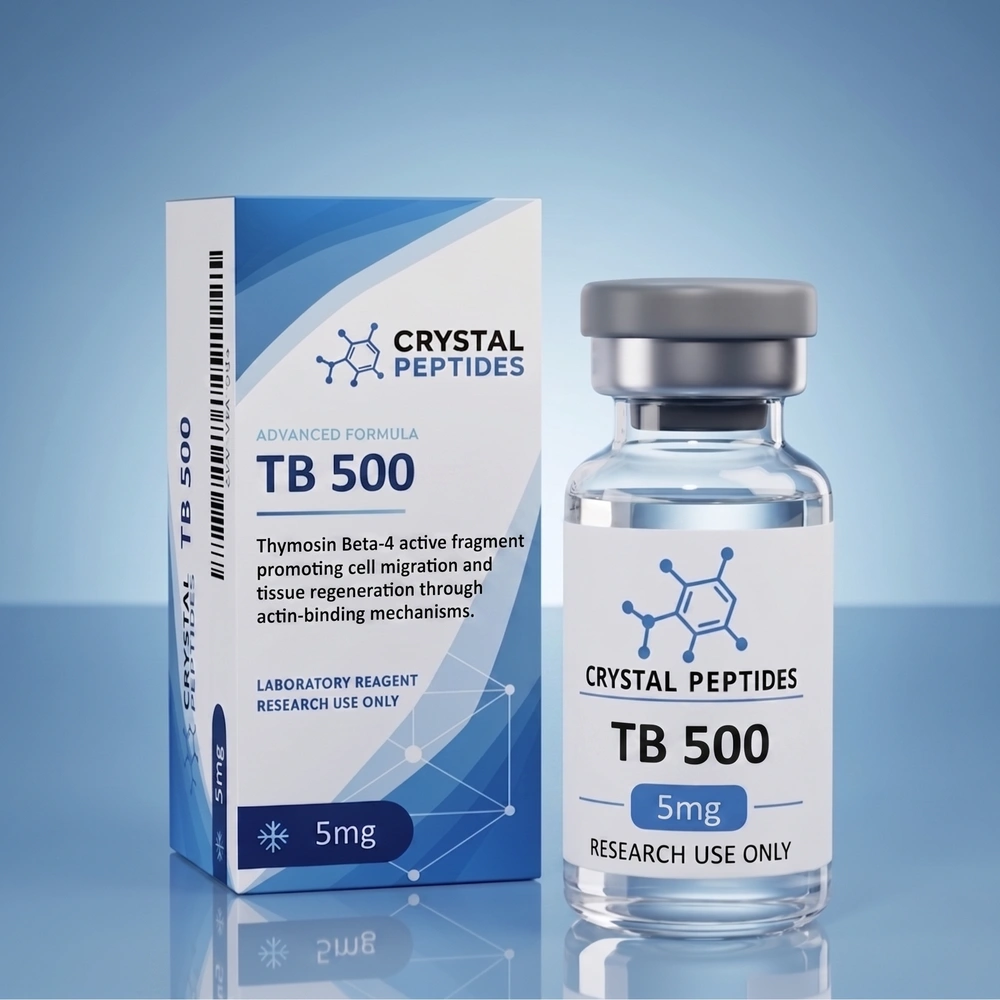
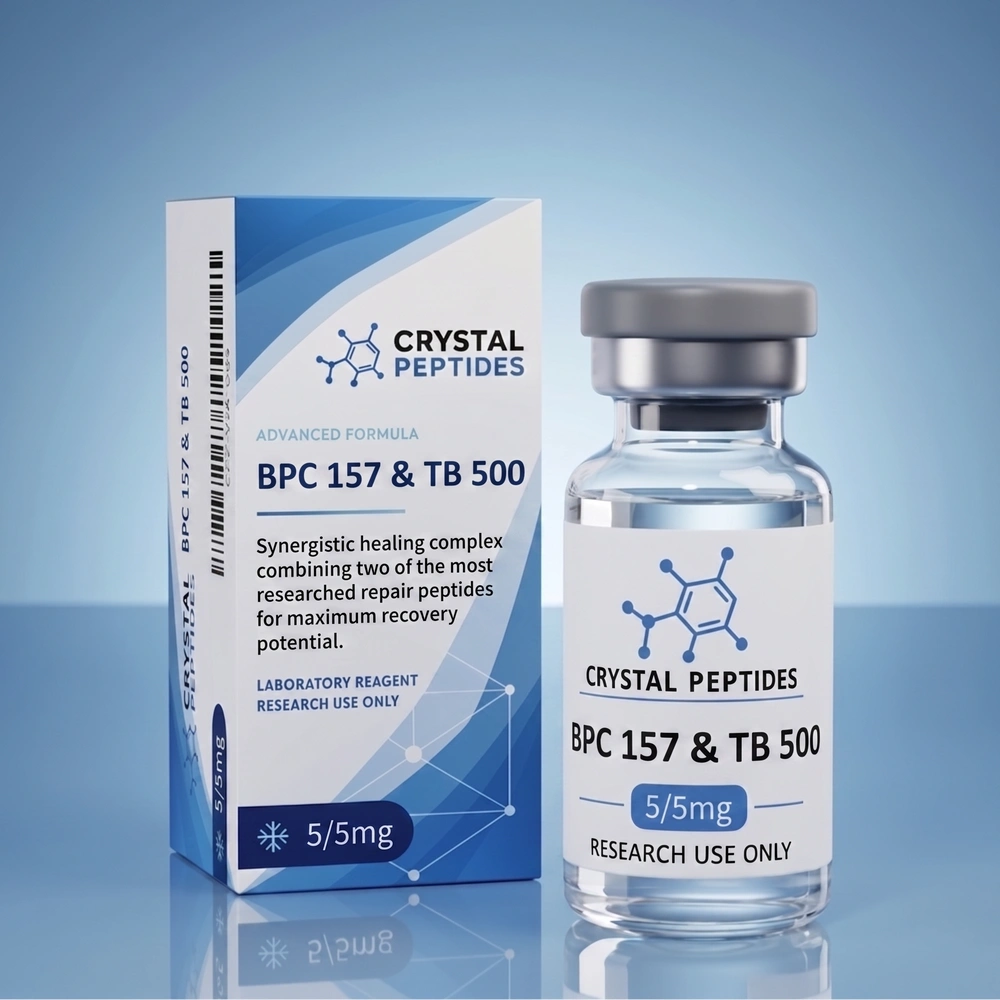
Explore the Products from This Article
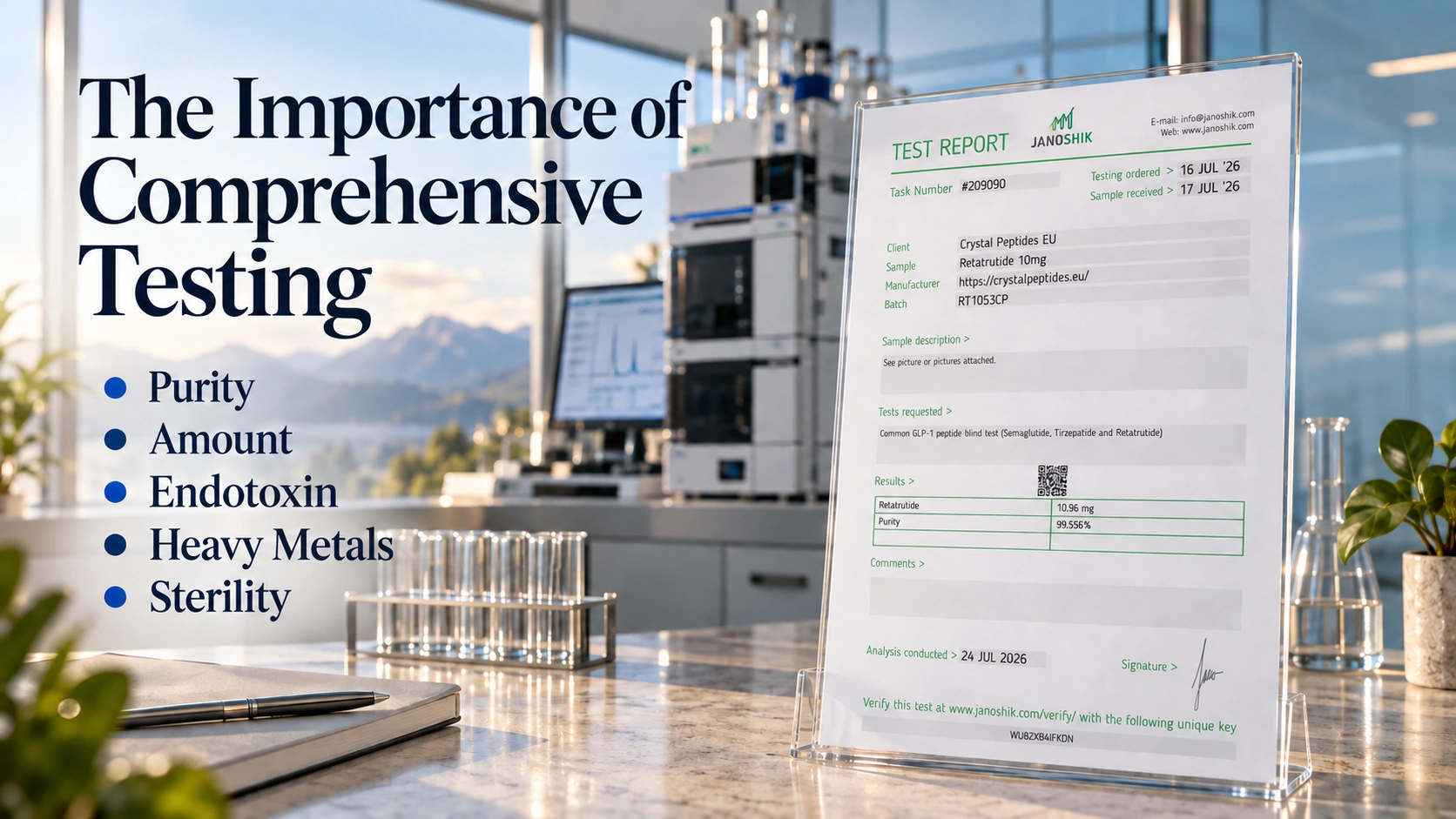
All products are >99% purity, manufactured in a certified EU laboratory, with accompanying lab analysis.
Research Disclaimer
This article is for informational and research purposes only. The content is not intended as medical advice, diagnosis, or treatment recommendation.