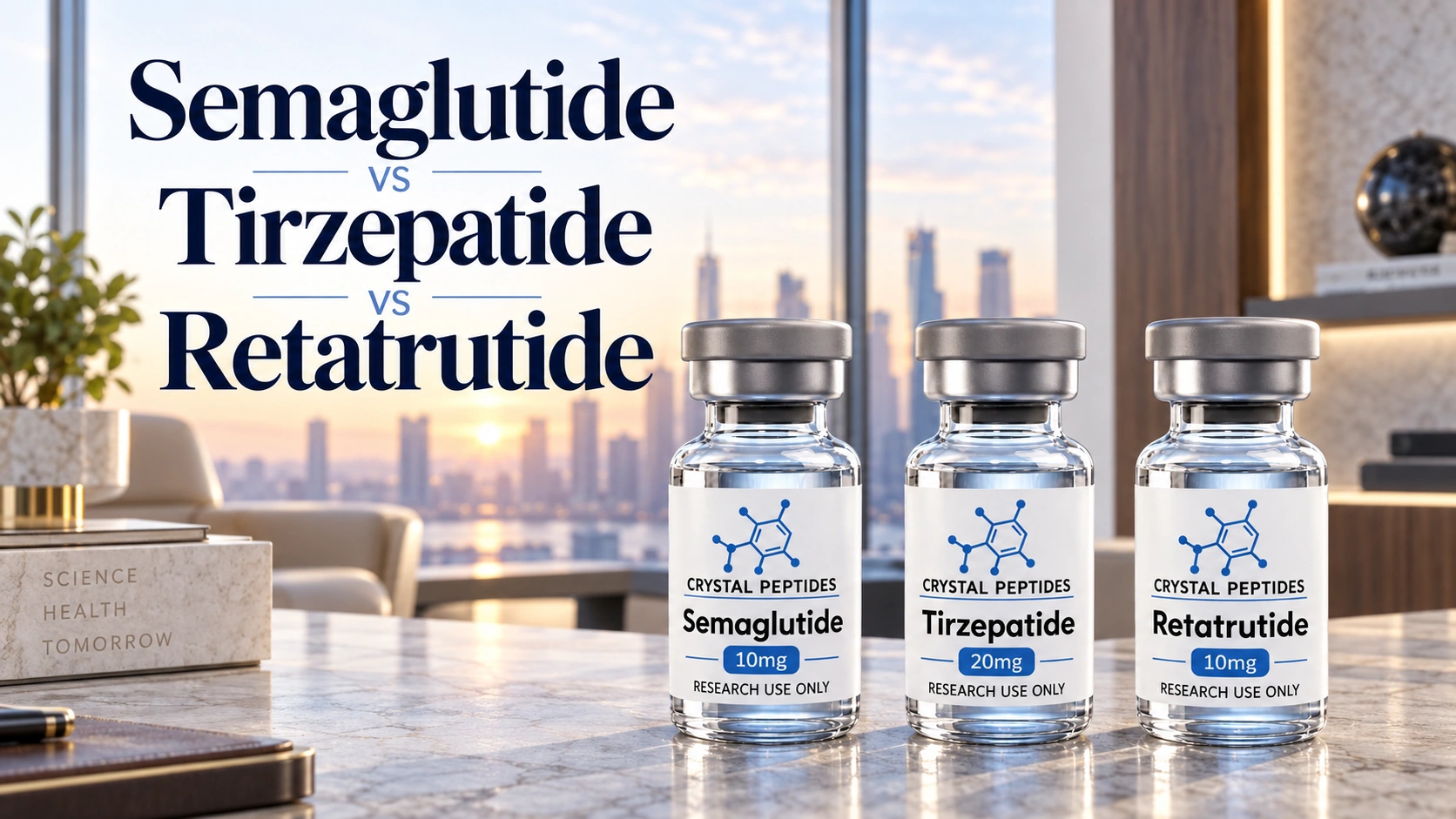

Semaglutide: A Comprehensive Research Overview
What is Semaglutide?
Semaglutide is a GLP-1 receptor agonist and the active substance in several evaluated medicinal products. GLP-1 is the natural hormone and receptor-system name; it is not an alternative chemical name for Semaglutide. Clinical results must be attributed to the particular formulation, population and study in which they were measured. EMA Wegovy.
Mechanism of Action
Semaglutide works by mimicking the naturally occurring hormone GLP-1, which is released in the gut after eating. The key mechanisms include:
- Appetite regulation: Semaglutide acts on GLP-1 receptors in the brain's appetite centers, particularly the hypothalamus, reducing hunger signals and promoting satiety.
- Gastric emptying: It slows the rate at which food leaves the stomach, contributing to prolonged feelings of fullness.
- Insulin secretion: By stimulating glucose-dependent insulin release from pancreatic beta cells, it helps regulate blood sugar levels.
- Glucagon suppression: It reduces glucagon secretion, which helps lower hepatic glucose output.
Key Clinical Studies
STEP Trials (Semaglutide Treatment Effect in People with obesity)
The landmark STEP clinical trial program demonstrated significant outcomes:
- STEP 1: Participants receiving Semaglutide 2.4 mg showed a mean body weight reduction of 14.9% over 68 weeks compared to 2.4% with placebo.
- STEP 2: In participants with type 2 diabetes, Semaglutide resulted in 9.6% weight reduction versus 3.4% with placebo.
- STEP 3: When combined with intensive behavioral therapy, weight reduction reached 16.0%.
- STEP 4: Continuation of treatment maintained weight loss, while discontinuation led to weight regain.
Cardiovascular Benefits
The SELECT trial demonstrated a 20% reduction in major adverse cardiovascular events (MACE) in overweight/obese adults without diabetes, marking a significant milestone in cardiovascular research.
Research Applications
Current research areas include:
- Metabolic syndrome management
- Non-alcoholic fatty liver disease (NAFLD)
- Cardiovascular risk reduction
- Neurodegenerative disease models
- Addiction behavior research
Dosage Forms in Research
Semaglutide is available for research in multiple formats:
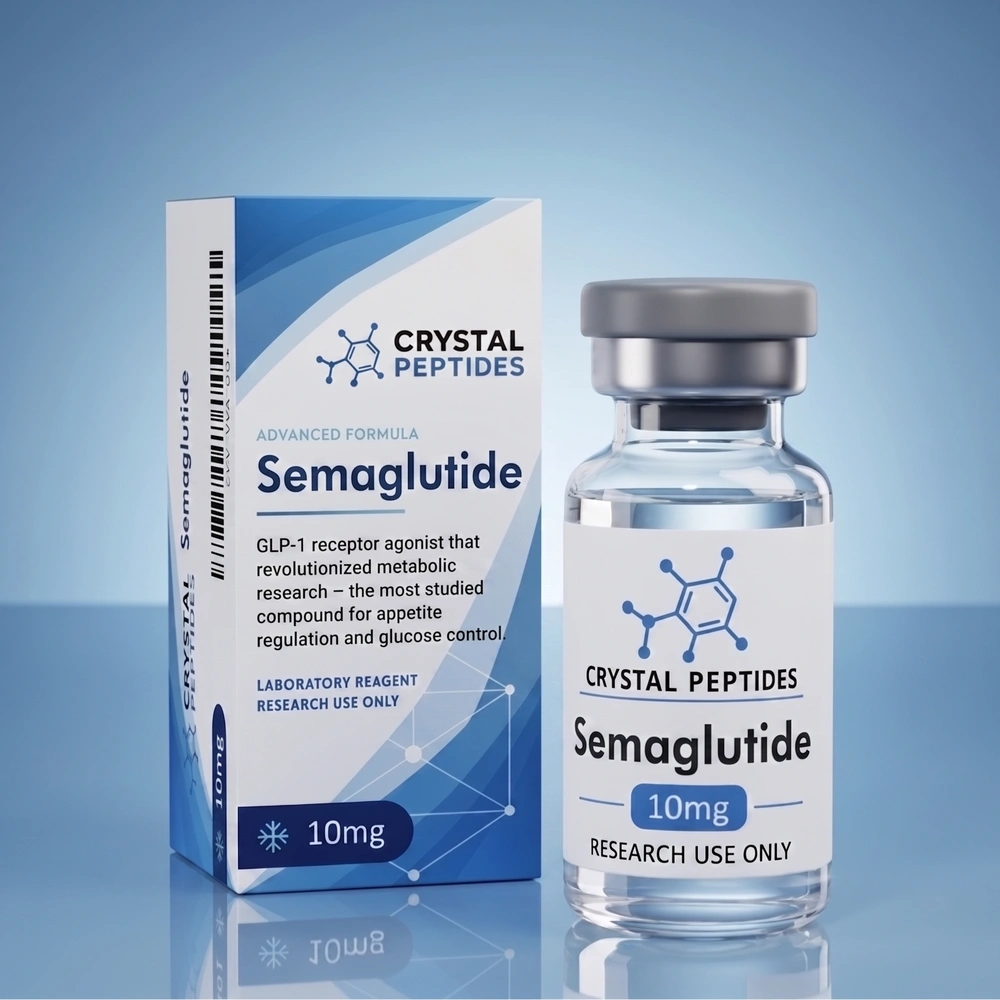
- Lyophilized vials: Standard reconstitution format for subcutaneous research protocols
- Nasal spray formulations: A research delivery format; improved bioavailability has not been demonstrated for this exact formulation
Safety Profile in Research
Common observations in research settings include:
- Gastrointestinal effects (nausea, typically transient)
- Injection site reactions (subcutaneous administration)
- Dose-dependent response patterns
Conclusion
Semaglutide is one of the most extensively studied molecules in metabolic research. Its reported effects on appetite and glucose regulation come from defined clinical programs, and findings should always be read together with the population, formulation and endpoint of the study that produced them.
Explore the Products from This Article
All products are >99% purity, manufactured in a certified EU laboratory, with accompanying lab analysis.
Research Disclaimer
This article is for informational and research purposes only. The content is not intended as medical advice, diagnosis, or treatment recommendation.