
Research Methods
Nasal Spray Peptides: Delivery & Bioavailability
5 min read
Research Methods
Introduction to Nasal Peptide Delivery
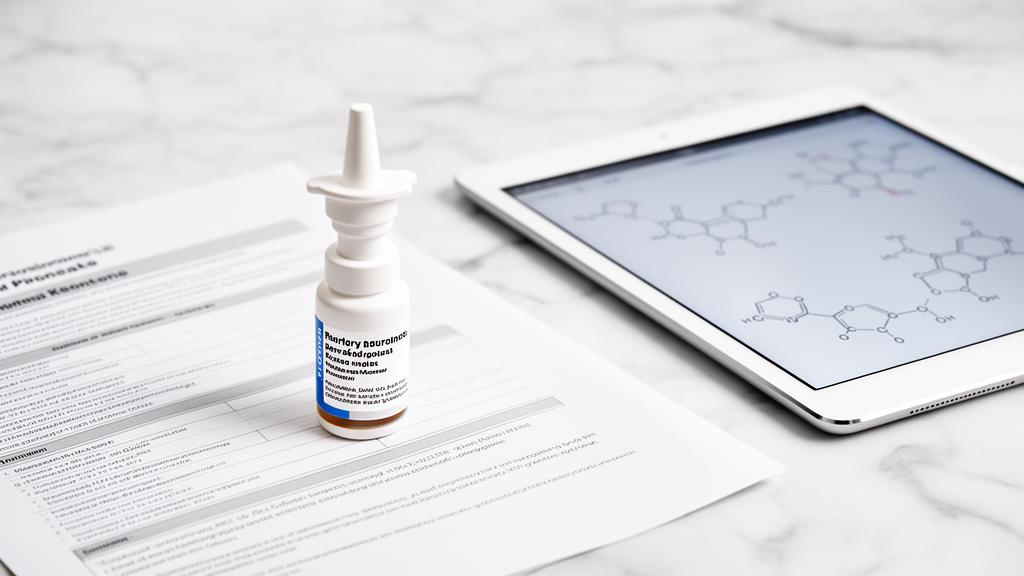
Intranasal delivery of peptides has emerged as a significant area of pharmaceutical research, offering potential advantages over traditional subcutaneous injection. The nasal cavity provides a large, highly vascularized surface area ideal for peptide absorption.
Advantages of Nasal Delivery
- Non-invasive: Eliminates the need for needles and syringes
- Rapid absorption: The rich blood supply of the nasal mucosa enables fast systemic delivery
- Brain targeting: The olfactory and trigeminal nerve pathways offer direct nose-to-brain transport
- First-pass avoidance: Bypasses hepatic first-pass metabolism
- Self-administration: Improved compliance and ease of use
How Nasal Absorption Works
- Deposition: The spray deposits peptide solution on the nasal mucosa
- Mucoadhesion: Formulation components help the peptide adhere to the mucosal surface
- Permeation: Peptides cross the nasal epithelium via transcellular or paracellular routes
- Systemic circulation: Absorbed peptides enter the bloodstream directly
Bioavailability Comparison
Nasal bioavailability varies by peptide but typically ranges from 10-50% compared to subcutaneous injection. However, several factors can enhance this:
- Absorption enhancers (e.g., cyclodextrins)
- Mucoadhesive polymers
- Nanoparticle formulations
- pH optimization
Popular Nasal Spray Peptides
- GLP-1 nasal: Studied for convenient weight management research
- BPC-157 nasal: Investigated for gut-brain axis effects and systemic healing
- Semax/Selank nasal: Well-established intranasal nootropic peptides
- Epithalon nasal: Studied for telomerase activation via nasal route
Conclusion
Nasal peptide delivery represents a growing frontier in peptide research, offering unique advantages for both systemic and CNS-targeted applications.
Research Disclaimer
This article is for informational and research purposes only. The content is not intended as medical advice, diagnosis, or treatment recommendation.