NAD+: The Master Coenzyme of Cellular Longevity
What is NAD+?
Nicotinamide adenine dinucleotide (NAD+) is a coenzyme present in every living cell. It is essential for over 500 enzymatic reactions, making it one of the most critical molecules in human biology. NAD+ exists in two forms: the oxidized form (NAD+) and the reduced form (NADH), and the ratio between them determines cellular metabolic efficiency.
NAD+ availability is discussed as a factor in age-related metabolic change, but a single universal rate of decline cannot be stated without identifying the measured tissue, method and population.
Mechanism of Action
NAD+ operates through several interconnected pathways:
- Mitochondrial energy production: NAD+ and NADH are the oxidized and reduced forms of the same coenzyme pair. NADH carries the electrons delivered to the respiratory chain; NAD+ itself is the oxidized form that is regenerated in the process.
- Sirtuin activation: NAD+ is the obligate co-substrate for all seven sirtuins (SIRT1–SIRT7), a family of deacetylases that regulate gene silencing, DNA repair, inflammation, and mitochondrial biogenesis.
- PARP-mediated DNA repair: Poly(ADP-ribose) polymerases consume NAD+ to repair single-strand DNA breaks. Under chronic stress, PARP overactivation depletes NAD+ reserves.
- CD38 regulation: The enzyme CD38 is the primary NAD+ consumer in aging tissues. Its activity increases with age, accelerating NAD+ depletion.
Key Research Findings
The Sinclair Laboratory (Harvard Medical School)
Dr. David Sinclair's research demonstrated that boosting NAD+ levels in aged mice reversed vascular aging, improved mitochondrial function, and enhanced exercise endurance by 56–80%. The treated mice exhibited metabolic profiles indistinguishable from young animals.
Cognitive and Neuroprotective Research
- NAD+ supplementation reduced neuroinflammation and improved cognitive function in Alzheimer's disease models (Hou et al., 2018).
- SIRT1 activation via NAD+ protected against Wallerian degeneration in peripheral nerve injury models.
- NAD+ restored circadian rhythm disruptions linked to neurodegeneration.
Cardiovascular Research
- NAD+ repletion improved cardiac function and reduced hypertrophy in heart failure models.
- Restored endothelial function and capillary density in aged vascular tissue.
- Reduced arterial stiffness markers by modulating collagen cross-linking.
NAD+ and the Longevity Ecosystem
NAD+ does not operate in isolation. In longevity research, it is frequently studied alongside complementary compounds:
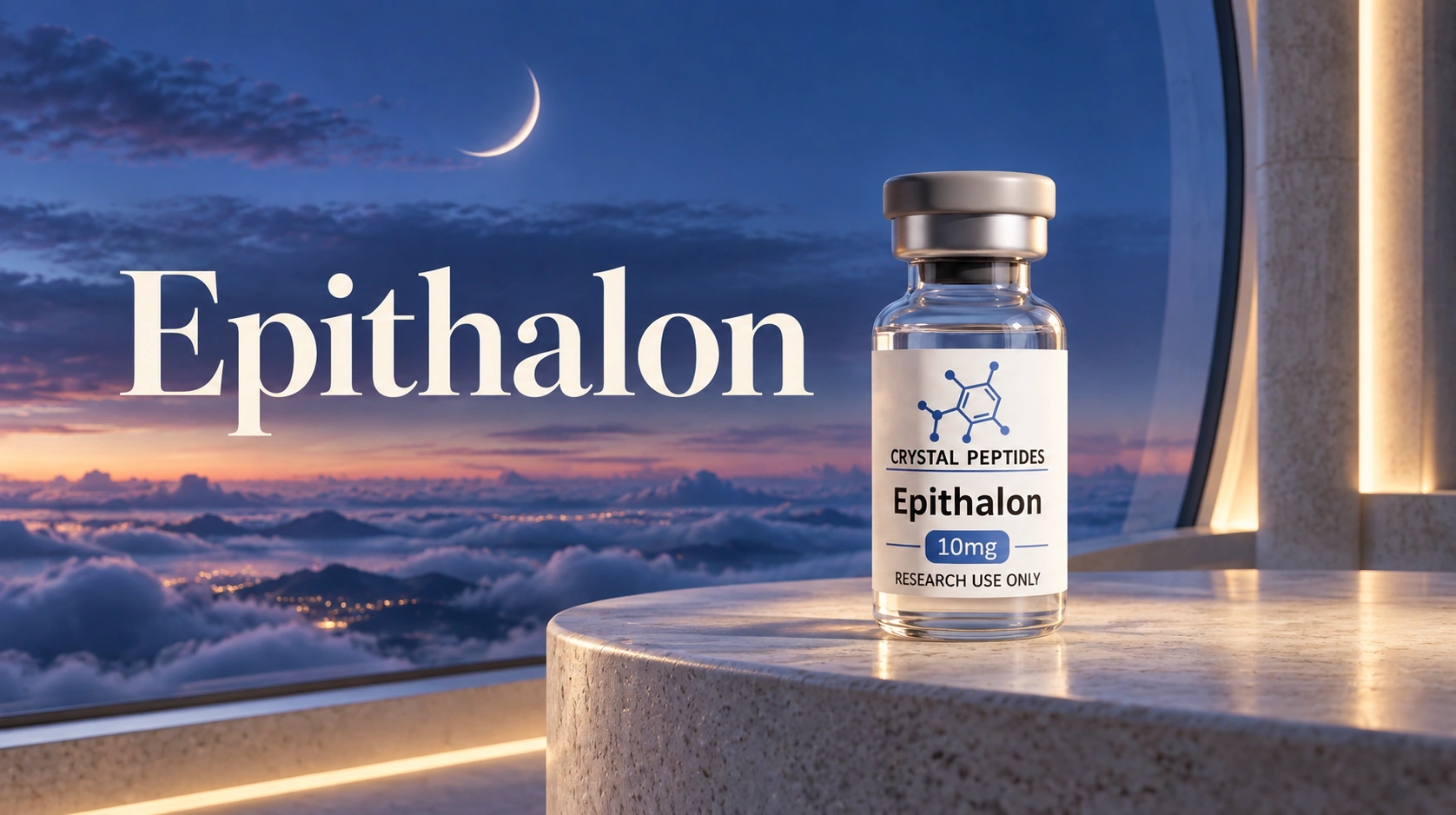
- Epithalon: While NAD+ fuels cellular repair enzymes, Epithalon is studied for its role in telomerase activation — protecting the chromosomal clocks that limit cell division. Together, they address both the energy and structural aspects of cellular aging.
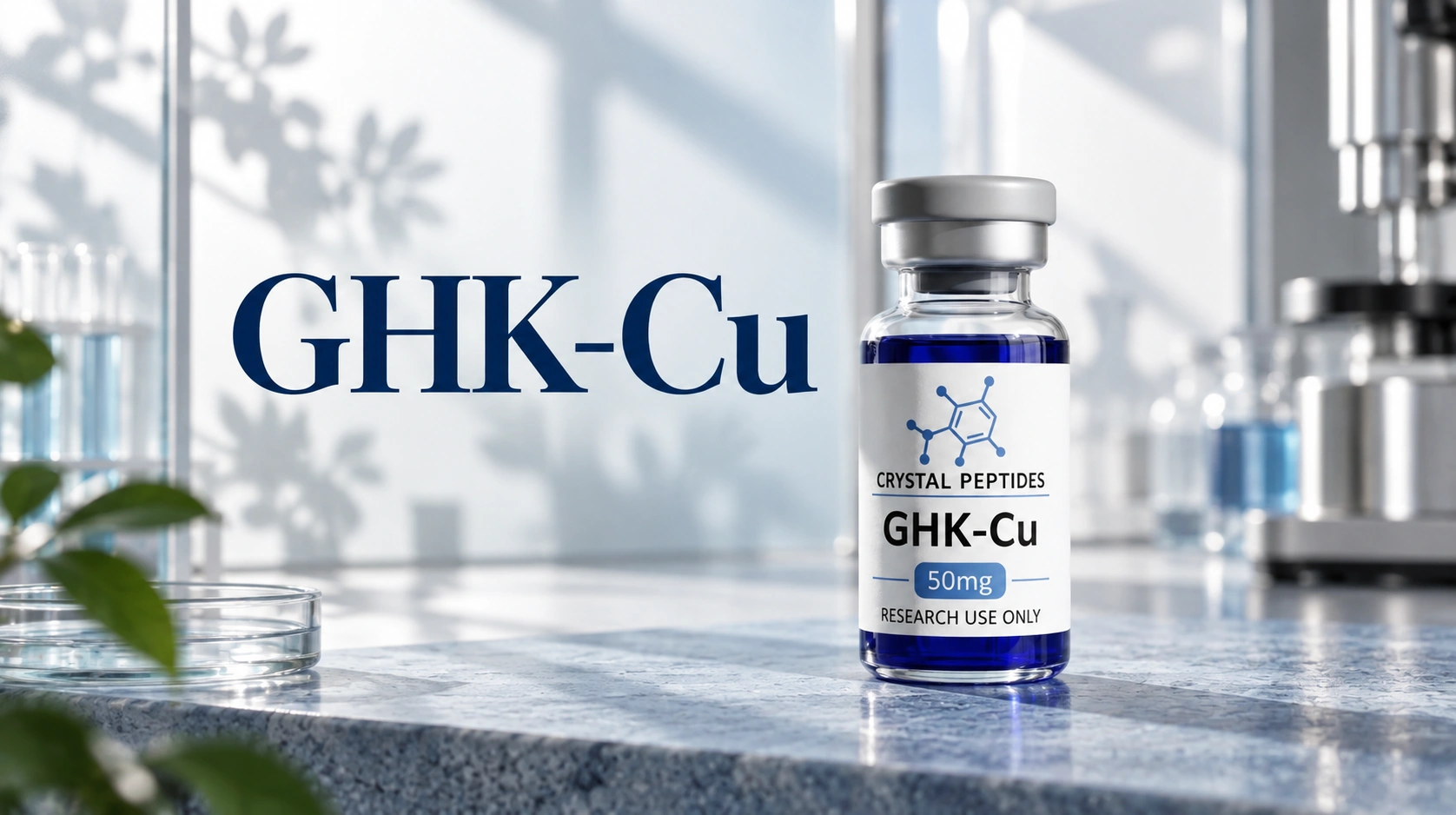
- GHK-Cu: GHK-Cu resets gene expression toward youthful patterns and stimulates collagen synthesis. Combined with NAD+'s metabolic restoration, this creates a multi-layered anti-aging approach.
- Glutathione: As the body's master antioxidant, Glutathione protects mitochondria from oxidative damage, complementing NAD+'s role in mitochondrial energy production.
Delivery Methods in Research
- Lyophilized powder: Direct NAD+ for reconstitution in research protocols; no route-specific clinical suitability is claimed here.
- Nasal spray: Intranasal delivery is being studied for improved brain penetration via the olfactory pathway, bypassing the blood-brain barrier.
- Sublingual and oral: Direct NAD+ and its precursors are different interventions. A clinical study of oral nicotinamide riboside cannot establish the effects of an injectable or nasal NAD+ product. For example, a randomized NR pilot study in people with mild cognitive impairment raised blood NAD+ but did not demonstrate improved cognition over the study period. Randomized NR pilot study, 2023
Safety Profile in Research
NAD+ has been studied extensively with a favorable safety profile:
- Transient flushing and warmth during IV infusion protocols
- Mild gastrointestinal effects at high oral doses of precursors
- No significant adverse events reported in clinical trials up to 2g/day of precursors (NMN)
Conclusion
NAD+ sits at the intersection of energy metabolism, DNA integrity and epigenetic regulation. Much of the supporting work comes from cell and animal models, and precursor trials do not automatically describe direct NAD+ products, so findings should be read against the exact intervention that was studied.
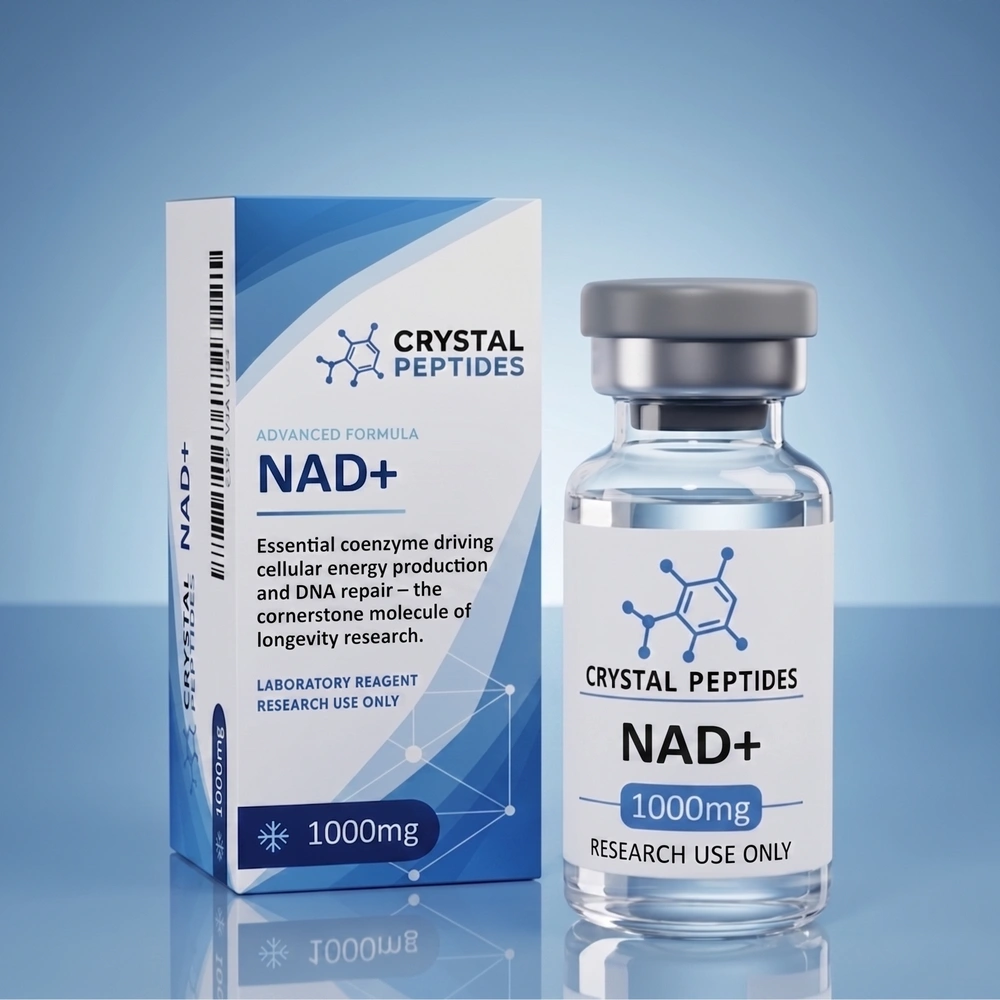
Explore the Products from This Article
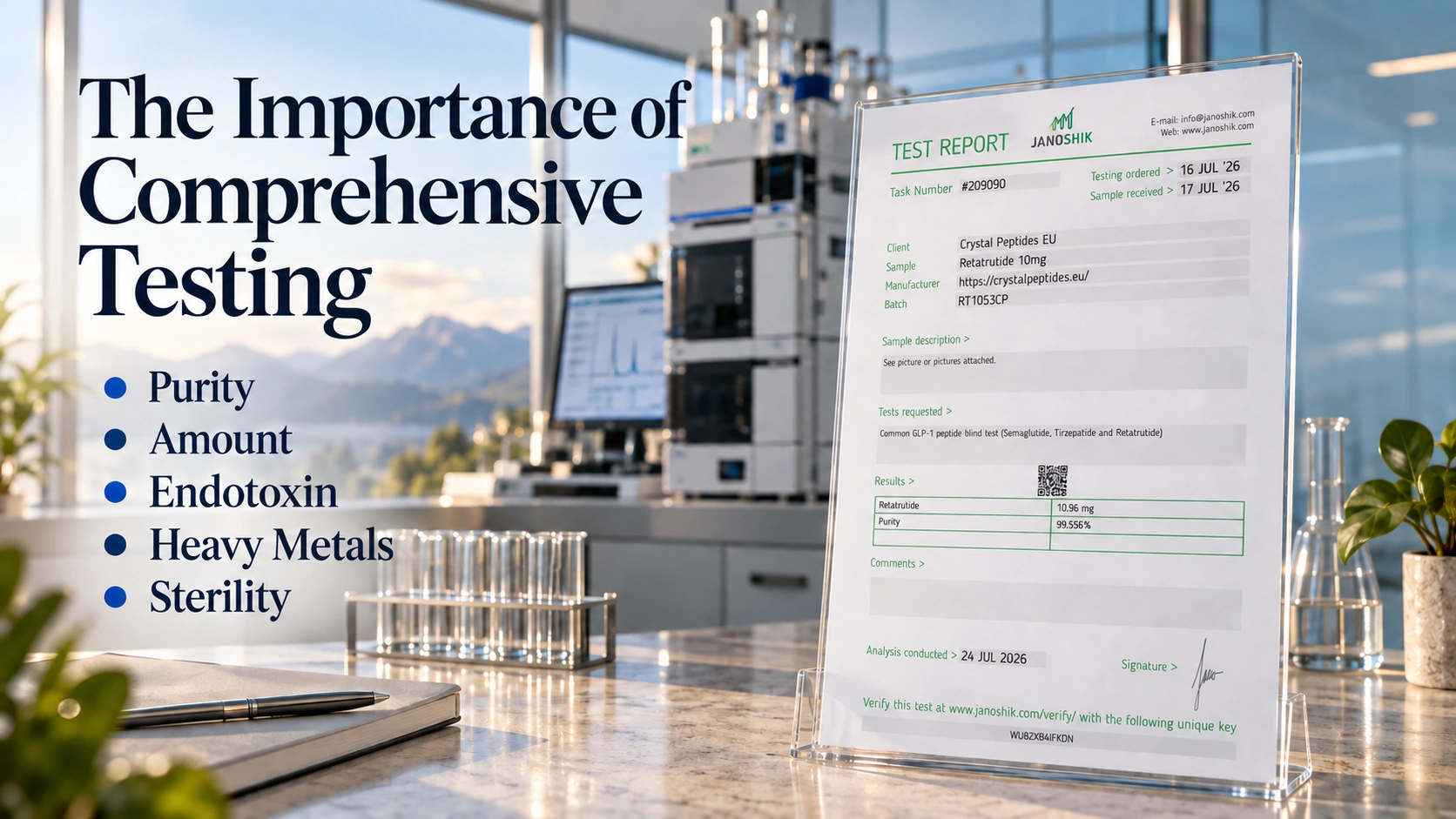
All products are >99% purity, manufactured in a certified EU laboratory, with accompanying lab analysis.
Research Disclaimer
This article is for informational and research purposes only. The content is not intended as medical advice, diagnosis, or treatment recommendation.